
Getting picky eaters to eat vegetables can feel like negotiating a peace treaty—especially when you’re juggling work, family life, and dinner on the table by 7. At Wellbeing Barista, these sneaky ways to hide veggies for picky eaters were born from real kitchens, real kids, and plenty of trial and error.
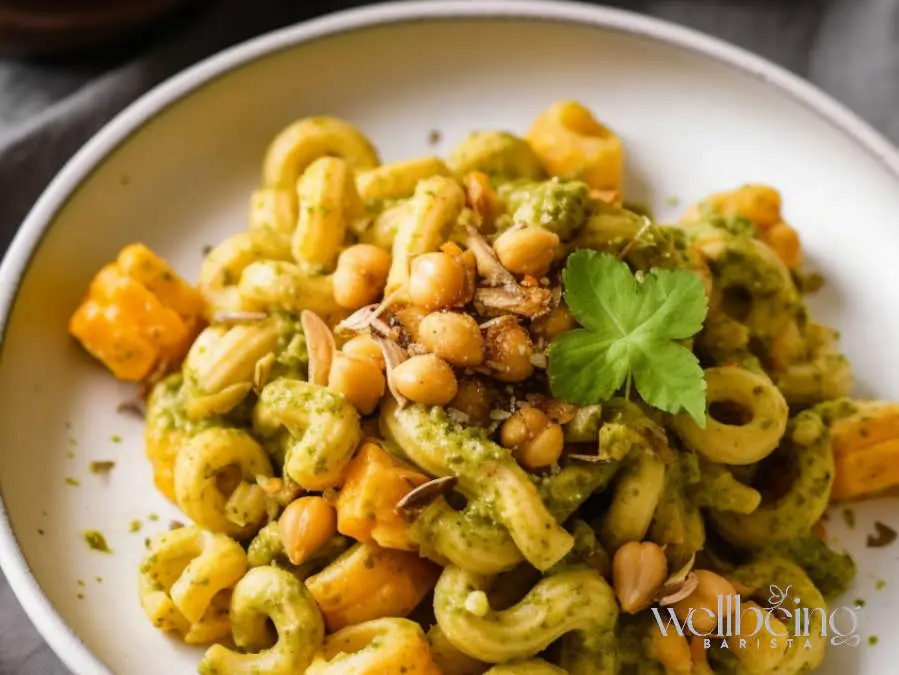
The good news? You don’t need food battles or bribes. You just need smart techniques, familiar flavours, and recipes that quietly do the heavy lifting.
Why Picky Eaters Love These Tricks
Picky eaters—kids and adults alike—usually reject vegetables for three reasons: texture, bitterness, and visibility. When vegetables are obvious, unfamiliar, or fibrous, the brain flags them as “unsafe,” even if the flavour is mild.
That’s where hidden-veg strategies shine.
When vegetables are blended, grated, or masked inside familiar foods, people experience:
- Less resistance and fewer mealtime debates
- Better nutrition without pressure
- Small, repeatable wins that build long-term habits
From a nutrition standpoint, these meals consistently deliver 8–12g of fibre per serving, supporting digestion, steady energy, and gut health—often without the eater realising vegetables were involved at all.
You don’t remove the nutrients—you just change how they appear.
And it works. These recipes from my kitchen prove it.
5 Foolproof Hiding Techniques
Here are five fail-safe strategies to make vegetables disappear—sorted by texture goal and culinary context. These methods address picky eaters’ main objections (visibility, texture, bitterness) with kitchen-tested precision.

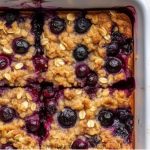
1. Disguise Fruits & Veg in Smoothies and Sweet Snacks
Camouflage fruits and veg where sweet flavours and colours naturally mask them like in smoothies, muffins, brownies, pancakes, oatmeal, and energy balls. How does it work? Veg is pureed and incorporated as a hidden component within sweet contexts. The strong flavours of fruit, chocolate, or spices dominate while the vegetable provides moisture and nutrients.
Pro tip: Start with mild-flavoured vegetables and small quantities. Frozen riced cauliflower blends invisibly into fruit smoothies with zero taste detection.








2. Make Vegetables Invisible with Smooth Blends
Create silky-smooth foundations where vegetables become the texture itself, as in creamy soups, pasta sauces, pancake/waffle batters, and cheese sauces. How does it work? Cooked vegetables are blended completely smooth to form the base of a dish—not just an ingredient in it. This eliminates all fibrous texture while distributing flavour evenly.









Pro tip: For ultra-smooth results, invest in a high-powered blender. A splash of cream, coconut milk, or nut butter helps emulsify the puree into a luxurious texture.
3. Add Veggies for Juicier Meatballs & Patties (No Taste Change)
Add invisible moisture and fibre to handheld savoury foods, such as meatballs, burger patties, and meatloaf, as well as fritters. How does it work? Finely grated vegetables (with excess moisture squeezed out) blend seamlessly into ground meat, grain, or legume mixtures. They become undetectable while maintaining the final product’s juiciness.





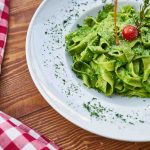
4. Hide Vegetables Inside Rice, Pasta, and Noodles
Distribute finely chopped vegetables so they get lost in a larger, familiar base in fried rice, pasta dishes, casseroles, grain bowls, and lentil soups.. How does it work? Vegetables are chopped to match the size and shape of the main ingredient (rice grains, pasta, lentils), then cooked together until integrated.
Pro tip: For ultimate disguise, pulse vegetables in a food processor until they’re rice-sized before cooking. They’ll visually and texturally mimic the grains.










5. Cover Vegetable Flavour with Sauces, Dips, and Toppings
Use dominant flavours and creamy textures to override any vegetable taste for dips, spreads, cheese sauces, creamy soups, and frostings. How does it work? Vegetables are roasted or steamed until tender, then blended with strong-flavoured partners that become the primary taste profile.
Pro tip: Roasting vegetables before blending caramelises their natural sugars, reducing bitterness and adding depth that pairs well with bold flavours like cheese, garlic, or smoked paprika.







Key Takeaways
Transforming mealtime struggles into nutritional victories doesn’t require a magic trick—just a little cleverness in the kitchen. As we’ve seen, by blending veggies into smoothies and sauces, grating them into meatballs, or hiding them in beloved favourites like muffins and pasta, you can seamlessly boost the fibre, vitamins, and minerals in your family’s diet.
The smart recipes and five foolproof techniques shared here are more than just a short-term fix; they are a sustainable strategy to reduce friction, ensure better nutrition, and build peaceful, healthy eating habits that last. Remember, the goal isn’t to deceive, but to gently guide picky palates toward acceptance, one “hidden” bite at a time.
So, embrace the sneak! Start with one recipe, celebrate the small win, and watch as the dinner table becomes a happier, healthier place for everyone.