
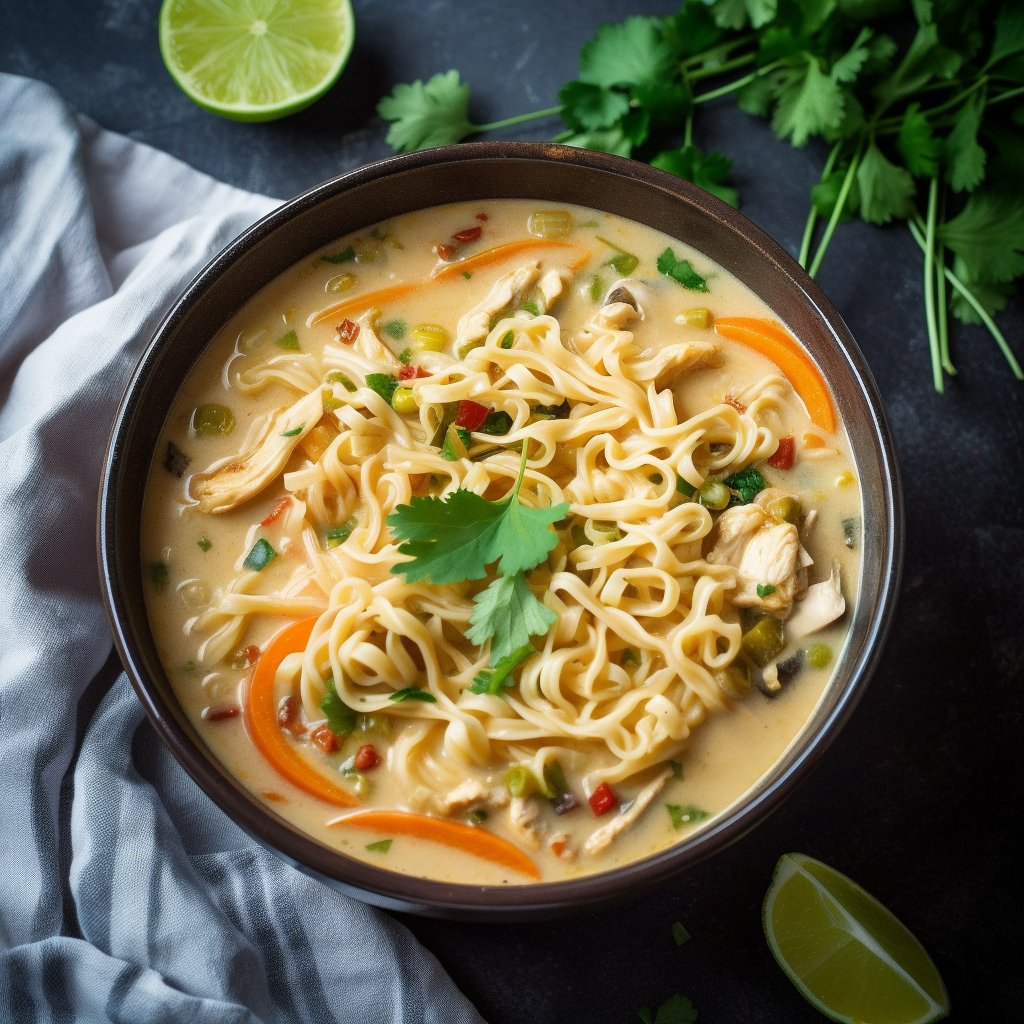
There’s a reason creamy soup is the undeniable comfort food. It’s the deeply soothing, luxuriously smooth texture that feels like a hug in a bowl that families crave. These beloved bowls have evolved into a canvas for wellbeing—packed with gut-friendly fibres, vibrant vegetables, and smart dietary twists. Join us in this FREE guide to delve into the right techniques for that highly coveted, restaurant-quality smoothness, even if you’re not making a classic butternut squash soup.
In this guide, you’ll learn:
- [Section I] The Foundation: A foolproof, master method for making any creamy soup at home.
- [Section II] Pro Tips & Hacks: How to achieve perfect texture, make soups in 30 minutes, and adapt recipes to dietary needs.
- [Sections IV, V and VI] Recipe Inspiration: Curated collections of our best creamy soups, from classic chicken to vegetarian powerhouses.
- [Section VII] The Right Tools: An honest look at the gear that makes a difference (and what doesn’t).
- [Section VIII] Dietary Twists & Trends
- [Section IX] Storage and Freezing
- [Section X] Common Questions
Ready to start? Jump straight to our step-by-step tutorial →
I. How to Make Creamy Soup at Home: A Master Method
Making a silky, satisfying creamy soup is less about following a single recipe and more about mastering a flexible formula. This step-by-step method works for almost any combination of vegetables, proteins, and flavours, giving you the confidence to create your own signature soups. Let’s break it down.
The Core Formula: Your Blueprint for Success
Every great creamy soup follows a simple structure: a flavourful base + main ingredients + creamy element + finishing touches. Understanding this is the key to endless variations.
Step 1: Build Your Flavour Foundation (The Sauté)
While we all crave that creamy mouthfeel, a layered, complex flavour profile is what makes a soup truly next-level. Here’s how to build it
Heat your fat (butter, olive oil, or coconut oil) in a heavy-bottomed pot over medium heat. Add your aromatics—diced onions, leeks, shallots, or garlic—and a pinch of salt. Sauté for 5-7 minutes until soft and fragrant. This step builds deep, savoury flavour.
Pro Tip: For extra umami, add a tablespoon of tomato paste or a splash of soy sauce at the end of this step and cook for one more minute.
Step 2: Add & Cook Your Main Ingredients
Add your chopped vegetables (potatoes, carrots, cauliflower, mushrooms) or proteins to the pot. Stir to coat in the aromatics. For vegetable soups, cook for 5 minutes to intensify flavour. For soups with meat like chicken, cook until no longer pink.
Step 3: Simmer in Liquid
Pour in your cooking liquid—homemade chicken stock, vegetable broth, or even water—enough to cover the ingredients by about an inch. Bring to a boil, then reduce to a gentle simmer. Cook until the vegetables are completely tender (a knife should slide in easily). This usually takes 15-25 minutes.
Step 4: Create the Creamy Texture
This is where the magic happens. You have three primary methods, which can also be combined:
- Blending (Most Common): Carefully transfer the soup in batches to a high-speed blender and puree until perfectly smooth. Always vent the lid and cover with a towel to prevent steam explosions.
- Immersion Blending (Easiest): Use an immersion blender directly in the pot for easy cleanup and control over texture (chunky or smooth).
- Cream or Dairy Addition: Stir in heavy cream, coconut milk, yoghurt, or a roux (butter + flour mixture) after blending or during the final simmer. Plant-Based Alternatives use full-fat coconut milk, cashew cream, white beans, or silken tofu for a creamy texture suitable for vegans.
For our Dairy-Free Zucchini Soup, we use the blending method with starchy vegetables for natural creaminess.
Step 5: Season & Finish
Return the pureed soup to the pot if needed, and warm it gently. Now, don’t let your perfectly puréed soup fall flat—taste and season critically. Add salt and freshly ground black pepper in small increments. Acid is your secret weapon—a squeeze of lemon juice or a dash of vinegar will brighten all the flavours. Finish with fresh herbs like parsley, chives, or thyme.
II. Choosing Pro-Level Ingredients & Substitutes
Thickeners
- Make a Roux: A roux (butter + flour) is traditional.
- Make a Beurre Manié: Make a thick paste out of equal ratios of flour and butter, and then whisk it into the soup.
- Cornstarch slurry: Mix some starch with a little broth or water in a separate bowl and then pour slowly into the main pot to avoid clumping.
- Add ground nuts: Mix ground nuts with some broth in a separate bowl and then merge them into the main pot.
Cream, Dairy or Dairy Substitutes
- Dairy Substitutes: Cashews (soaked and blended) or white beans are excellent for creamy, high-protein vegan options. Just a little coconut milk can add so much creaminess without adding too much coconut flavour.
Flavour Boosters
- Umami Notes: Miso, Parmesan rinds, roasted garlic, and smoked paprika add deep umami notes.
The “Secret” Ingredient
- Stale bread, soaked in the soup before blending, provides body and silkiness.
III. Essential Techniques for Success
Tips for Silky Smooth Texture
Let’s master the techniques that transform simple ingredients into a velvety masterpiece.
- Proper Blending: For the smoothest results, use a high-powered blender. An immersion blender offers speed and easy cleanup.
- Straining: For an ultra-silky, gourmet finish, strain the soup through a fine-mesh sieve to remove any remaining fibres.
- Creamy Finish: Finally, stir in your chosen dairy or plant-based cream (such as heavy cream, coconut milk, or cashew cream). This not only adds luxurious body but also a layer of richness that balances the soup’s flavours.
- Fixing Thickness: If a soup is too thin, simmer longer to reduce, blend in extra cooked potatoes/beans, or add a cornstarch slurry. If too thick, whisk in more broth or milk.
- Prevent Curdling: Never boil dairy-based soups after adding cream. Simmer gently and add cream off the heat, or “temper” it by mixing a small amount of hot broth into the cream before stirring it into the pot.
Tips for Enhancing Flavour
A silky texture might get all the attention, but true soup perfection lies in a deep, balanced flavour. These tips will ensure your creamy creations taste as incredible as they feel.
- Sauté Aromatics First: Start by cooking onions, leeks, garlic, or shallots in butter or oil to build a deep, flavourful base.
- Balance Flavour: Creamy soups require more salt and acidity than broth-based soups to prevent them from tasting flat. Add a splash of lemon juice, white wine, or vinegar to cut through the richness.
- Layers of Seasoning: Proper seasoning happens in two key stages:
- The Foundation: Salt & Pepper
These are your essential tools for balancing and amplifying the natural flavours of your vegetables and broth. Season generously throughout cooking, not just at the end. - The Personality: Herbs & Spices
Once the base flavours are set, herbs (like thyme or parsley) and spices (like cumin or paprika) add distinct character, aroma, and complexity. Add delicate fresh herbs at the end, while hardy dried spices can bloom in oil early on.
- The Foundation: Salt & Pepper
- Garnishes: Elevate your soup with contrasting textures and flavours:
- Crunchy: Toasted seeds, nuts, croutons, or crispy bacon.
- Creamy: A dollop of sour cream, crème fraîche, or yoghurt.
- Fresh: A drizzle of herb-infused oil or fresh herbs like parsley, chives, or thyme.
Armed with the right techniques—from choosing your creamy base to mastering the final seasoning—you’re now equipped to create silky, satisfying soups on your own terms. Whether it’s a quick weeknight potato leek or a slow-simmered wild mushroom bisque, you have the foundation to build endless bowls of comfort. So, trust your taste, embrace the process, and enjoy the deeply rewarding goodness of soup made perfectly by you.
IV. Vegetarian Creamy Soups: Hearty & Nourishing Classics
You don’t need meat to achieve deep, satisfying flavour and a luxuriously creamy texture. This collection celebrates vegetables in their most comforting form—where their natural starches and fibres are transformed into silky, wholesome, nutrient-dense bowls of soup. From the ultimate potato leek to an umami-packed cream of mushroom, these recipes are weeknight heroes and dinner-party staples.
How Vegetables Create Creaminess
The magic here is in the blend. Starchy vegetables like potatoes, squash, and carrots break down to create a thick, velvety base. For an extra boost, ingredients like cauliflower, white beans, or lentils add body and a protein punch, making these soups genuinely hearty. A finish of good olive oil, coconut milk, or a swirl of yoghurt adds the final touch of richness.
Our Curated Vegetarian Creamy Soup Collection
Browse our top-rated recipes. Each one is a lesson in how to maximize flavor from simple, plant-based ingredients.
| Recipe | Key Feature & Target Keyword | Ready In | Get The Recipe |
|---|---|---|---|
| Creamy Potato Leek Soup | The ultimate creamy potato soup—hearty, simple, and always comforting. | 40 mins | View Recipe → |
| Velvety Cream of Mushroom Soup | An umami bomb that’s far superior to anything from a can. | 35 mins | View Recipe → |
| Dairy-Free Zucchini & Sweet Potato Soup | A naturally creamy vegetable soup that’s bright, light, and full of goodness. | 30 mins | View Recipe → |
| Roasted Carrot & Ginger Soup | Sweetness from the carrots with a spicy kick—a gut-healthy creamy soup favourite. | 50 mins | View Recipe → |
| Curried Parsnip with Chives | A sophisticated, slightly sweet and savoury blend. | 40 mins | View Recipe → |
Love a rich, blended soup? Dive deeper into our guide on Mastering Vegetable-Puréed Soups for more tips and variations.
V. Creamy Chicken Soups: The Epitome of Comfort
For many, nothing defines comfort food more perfectly than a creamy chicken soup. It’s the meal that soothes, satisfies, and feels like a hug from the inside out. This collection goes beyond the classic broth, focusing on rich, velvety versions where tender chicken shines in a luxurious, creamy base. They’re family-friendly, protein-packed, and endlessly adaptable.
Why Creamy Chicken Soup is a Weeknight Winner
These soups are the perfect solution for a nourishing, all-in-one meal. Using a simple rotisserie chicken or quickly sautéed thighs greatly speeds up the process. The creamy element—whether from a classic roux, a splash of cream, or a can of coconut milk—turns simple ingredients into something special. For a modern twist, try our Creamy Chicken & Wild Rice or the fusion-inspired Thai Green Chicken Noodle Soup.
Our Essential Creamy Chicken Soup Recipes
| Recipe | The Vibe & Key Feature | Ready In | Get The Recipe |
|---|---|---|---|
| The Ultimate Creamy Chicken Noodle Soup | Your #1 fan favourite. The definitive creamy chicken soup—hearty, cosy, and loved by all ages. | 45 mins | View Recipe → |
| Creamy Chicken & Wild Rice Soup | Elegant and hearty. Nutty wild rice and tender chicken in a herby, creamy broth. | 55 mins | View Recipe → |
| One-Pot Creamy Chicken & Gnocchi Soup | Ultra-comforting with pillowy gnocchi. A 30-minute creamy soup that feels indulgent. | 30 mins | View Recipe → |
| Thai Green Chicken Noodle Soup | A vibrant, aromatic fusion. Creamy coconut broth meets fresh herbs and tender chicken. | 45 mins | View Recipe → |
| Simple Creamy Chicken & Vegetable Chowder | Packed with corn, potatoes, and carrots. A thick, chowder-style soup that’s a complete meal. | 50 mins | View Recipe → |
Short on time? All these recipes can be adapted for your Instant Pot or slow cooker. Check out our 30-Minute Creamy Soups collection next for even quicker options.
VI. 30-Minute Creamy Soups: Quick Comfort for Busy Nights
Craving the comfort of a creamy soup but short on time? This collection is for you. Each recipe is engineered for maximum flavour with minimal fuss, proving you don’t need to simmer for hours to achieve a satisfying, silky texture. We rely on quick-cooking ingredients, clever shortcuts, and one-pot methods to get dinner on the table in half an hour or less.
The Secrets to Speedy, Creamy Soups
The key is strategy. Using pre-chopped vegetables, canned beans, or leftover cooked protein saves precious minutes. An immersion blender lets you puree directly in the pot. For instant creaminess, ingredients like cream cheese, canned coconut milk, or blended white beans integrate in a flash. For a modern hack, try our Air Fryer Creamy Tomato Soup, where roasting concentrates flavour in record time.
Fast & Flavorful: Our Top 30-Minute Recipes



Want more easy ideas? We’ve got a whole guide dedicated to One-Pot Soup Hacks & Shortcuts to make your weeknights easier.
VII. The Right Tools: Your Soup-Making Arsenal
Having the right equipment makes the process safer, easier, and helps you achieve that perfect texture. Here’s an honest look at what’s essential and what’s a nice bonus.
The Essential Core
These are the non-negotiable tools for making great creamy soup.
- Heavy-Bottomed Pot or Dutch Oven: The foundation of your soup. A heavy pot (like enamelled cast iron) distributes heat evenly, preventing scorching during the crucial sauté and simmer stages.
- Sharp Chef’s Knife & Sturdy Cutting Board: Prepping vegetables is the first step. A sharp knife is safer and more efficient, leading to evenly cooked ingredients.
- Blending Tool (Choose One):
- Immersion Blender (Stick Blender): The champion for ease and cleanup. Puree directly in the pot, control texture from chunky to smooth, and avoid transferring hot soup.
- High-Speed Stand Blender: The gold standard for ultra-silky, velvety textures. Always vent the lid and cover with a towel when blending hot liquids to prevent steam explosions.
- Ladle: For serving, tasting, and portioning your finished soup.
The Pro-Tier Upgrades
These tools aren’t strictly necessary, but they will elevate your results and confidence.
- Fine-Mesh Sieve: The secret to a truly restaurant-smooth, bisque-like finish. Straining blended soup removes any lingering fibres or bits for an impossibly silky texture.
- Whisk: Invaluable for smoothly incorporating thickeners like a roux or a cornstarch slurry, and for blending in cream or yoghurt at the end without curdling.
- Wooden Spoon or Silicone Spatula: Perfect for stirring your sautéing aromatics and scraping up any flavorful bits from the bottom of the pot.
The Helpful Extras
These make prep easier and measurement more precise.
- Vegetable Peeler: For quick prep of potatoes, carrots, and other root vegetables.
- Measuring Cups & Spoons: For consistency, especially when you’re first mastering a recipe or working with thickeners.
VIII. Dietary Twists & Trends
Creamy soups aren’t just indulgent classics—they’re evolving with the new wellness focus, making them perfect for gut health, plant-based eating, and quick dietary adaptations. Whether you’re dodging dairy, boosting fibre, or fusing Mediterranean flavours, these twists keep the velvety texture while aligning with modern needs like “dairy-free creamy soup” or “gut-healthy creamy soup”.
Dairy-Free Mastery
Skip the cream without sacrificing silkiness—starchy veggies and plant milks do the heavy lifting.
- Coconut Milk Swap: Adds tropical richness; ideal for curried parsnip (pairs with your Mary Berry recipe).
- Cashew or White Bean Cream: Blend soaked cashews or canned beans for protein-packed body—zero coconut taste.
- Our Pick: Dairy-Free Zucchini & Sweet Potato Soup uses natural starch for guilt-free indulgence.
Pro Tip: Temper plant milks off-heat to avoid splitting; finish with olive oil drizzle for Med flair.
Gut-Healthy Fibre Boosts
Ride the fibermaxing trend: Creamy soups hide high-fibre heroes like lentils, chickpeas, and squash for digestion without bulk.
- Lentil or Chickpea Base: Simmer then blend for subtle creaminess + prebiotics.
- Butternut or Pumpkin Puree: Naturally thick, vitamin-rich—try a Mediterranean pumpkin soup twist with za’atar.
- Our Pick: Roasted Carrot & Ginger Soup packs soluble fibre for sustained energy.
Explore more in our Gut-Healthy Soup Guide.
Emerging Trends
- Air Fryer Acceleration: Roast veggies first for concentrated flavour, then blend—cuts time by 15 mins.
- Swicy (sweet-spicy) Fusion: Sweet-spicy kicks like harissa-honey in veg creams; appeals to global palates.
- Low-Carb Hacks: Cauliflower rice thickens without potatoes.
Recipe Teasers:
| Twist | Recipe Example | Dietary Fit | Get It |
|---|---|---|---|
| Dairy-Free | Creamy Tomato Basil | Vegan | View → |
| Gut-Healthy | Lentil Mushroom Bisque | High-Fiber | View → |
| Air Fryer | Quick Roasted Pepper | 20 Mins | View → |
These adaptations make creamy soups versatile for any table—vegan families, keto plans, or fibre-focused resets. Ready for more? Head to Soup-Making Essentials.
IX. Storage and Freezing
- Freezing: Vegetable-pureed soups freeze best. Dairy-based soups may separate upon thawing. To freeze dairy soups, it is best to freeze them without the cream and add it fresh upon reheating.
- Reheating: Reheat slowly over medium-low heat, stirring frequently. Add a splash of broth or milk if the soup has thickened too much in storage.
Ready to put this method into practice? Explore our curated collections of Creamy Chicken Soups and Vegetarian Creamy Soups for specific recipe inspiration.
X. Common Creamy Soup Questions & Fixes
Simmer it uncovered to reduce, or add a slurry of cornstarch and water. For a healthy thickener, blend in cooked rice, oats, or a peeled, cooked potato.
Create natural creaminess by blending starchy vegetables (potatoes, cauliflower, white beans) or using coconut milk, soaked cashews, or a splash of olive oil. See our full guide to Dairy-Free Creamy Soups.
Yes! Most creamy soups taste better the next day. Let it cool completely, then store in an airtight container in the fridge for 3-4 days, or freeze for up to 3 months. Reheat gently, adding a splash of broth or water if it has thickened.